RV & Boat Parking: Complete Guide to Recreational Vehicle Storage
Storing recreational vehicles and watercraft properly protects these significant investments between adventures. What storage options work best for RVs and boats, and how do size requirements differ? With over 20 storage facilities, our team has helped thousands of customers find secure parking for motorhomes, travel trailers, boats, jet skis, and recreational equipment. This comprehensive guide covers everything about RV and boat storage so you can protect your recreational vehicles with confidence.
What Is RV and Boat Storage?
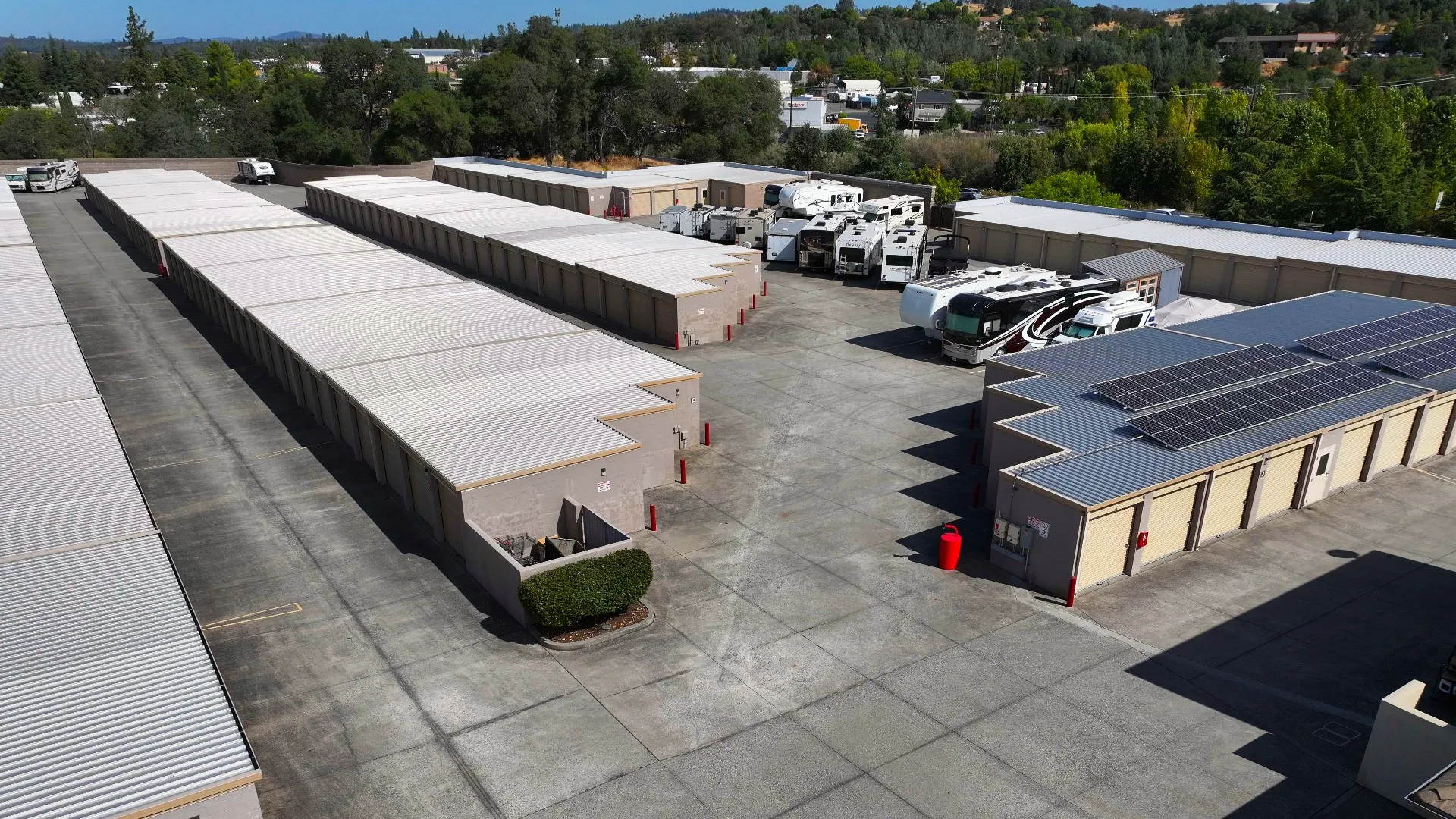
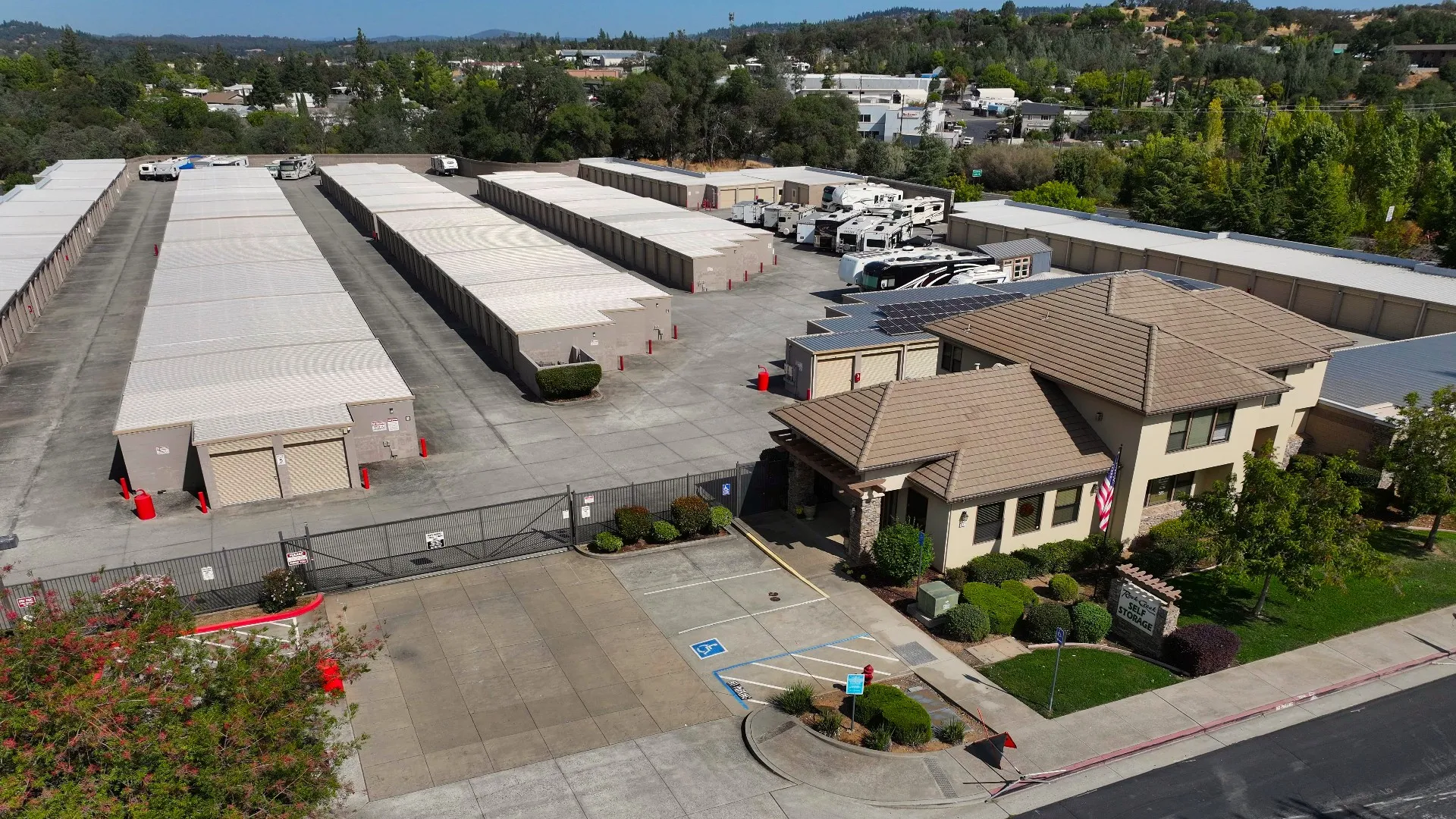
RV and boat storage provides designated parking spaces or enclosed areas specifically designed to accommodate recreational vehicles and watercraft. These storage solutions range from outdoor parking lots to covered carport structures to fully enclosed units. Storage facilities offer security features like gated access, video surveillance, and monitored entry that provide far better protection than street parking or storing in your driveway.
Many homeowners associations prohibit RV and boat parking on residential streets or in driveways, making off-site storage necessary. Even where permitted, home storage exposes expensive recreational equipment to weather, potential theft, and consumes valuable property space. Dedicated storage facilities provide the space, security, and sometimes specialized amenities that keep RVs and boats ready for your next outing.
Storage Options for RVs and Boats
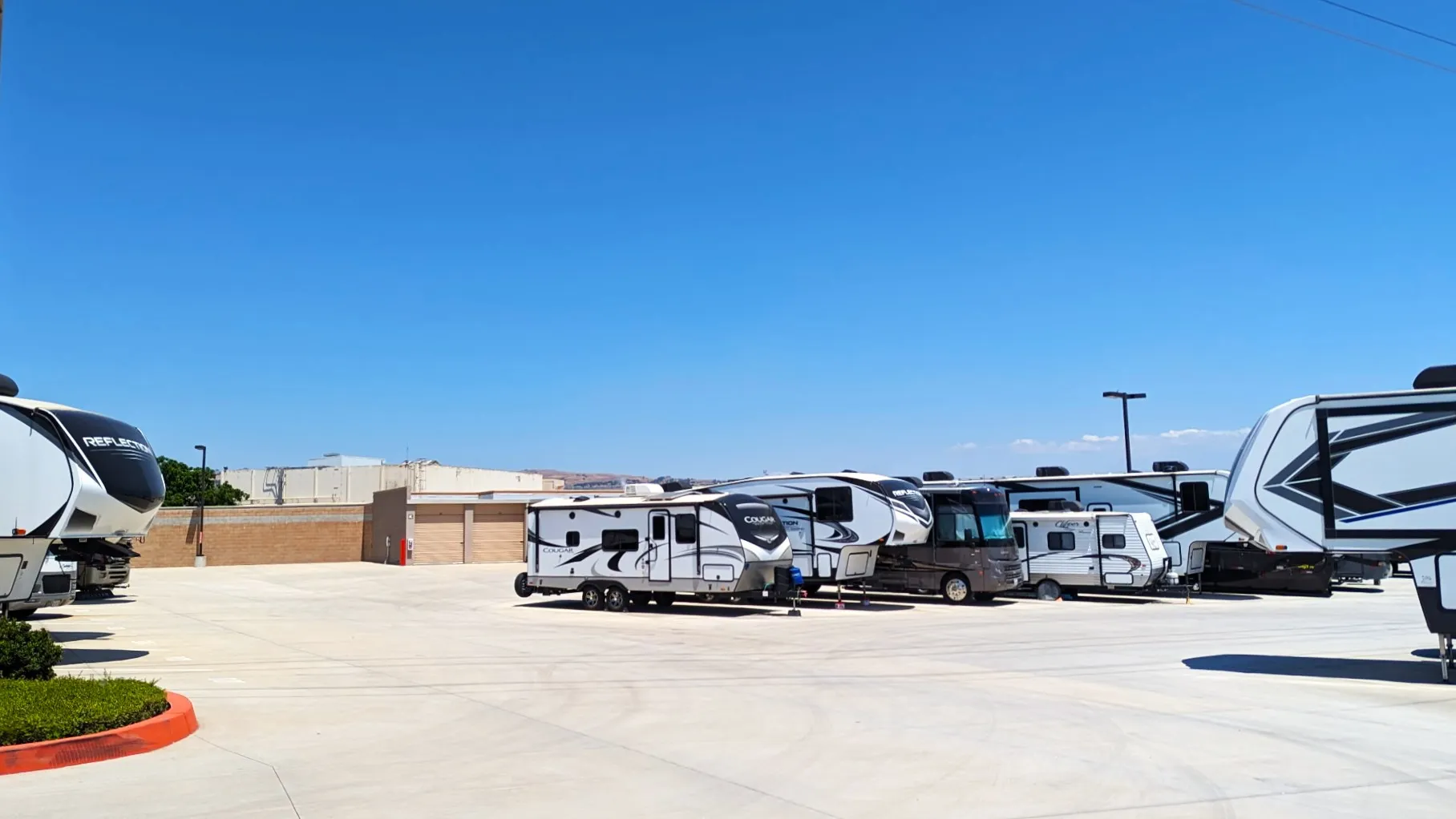
Uncovered Outdoor Parking: The most budget-friendly choice, uncovered parking provides designated spaces in secure, gated facilities. Your RV or boat sits exposed to weather but benefits from facility security including controlled access and surveillance. This option works well for owners prioritizing affordability who would normally park equipment outside anyway. Many recreational vehicle owners choose uncovered storage for its economical pricing.
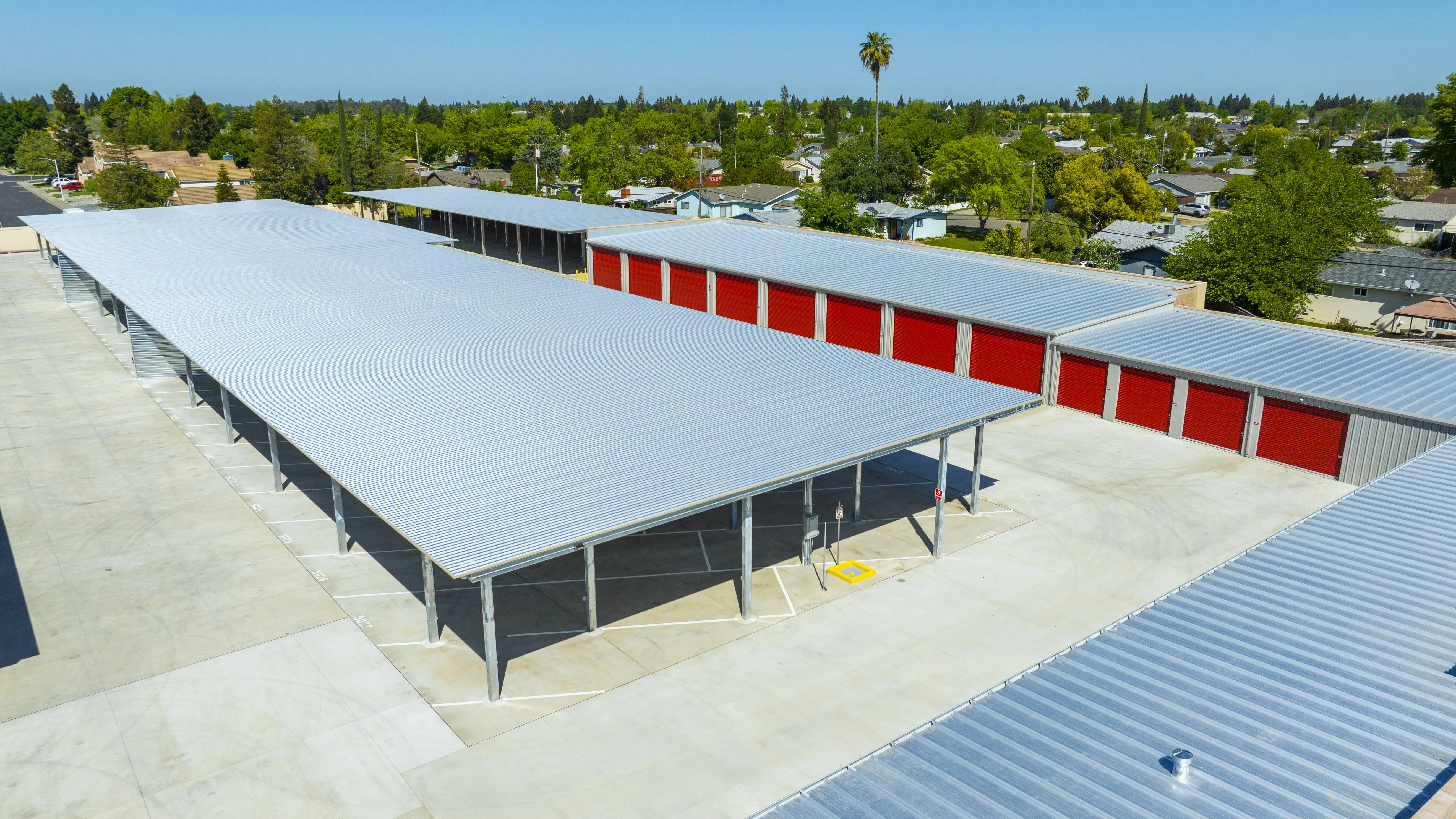
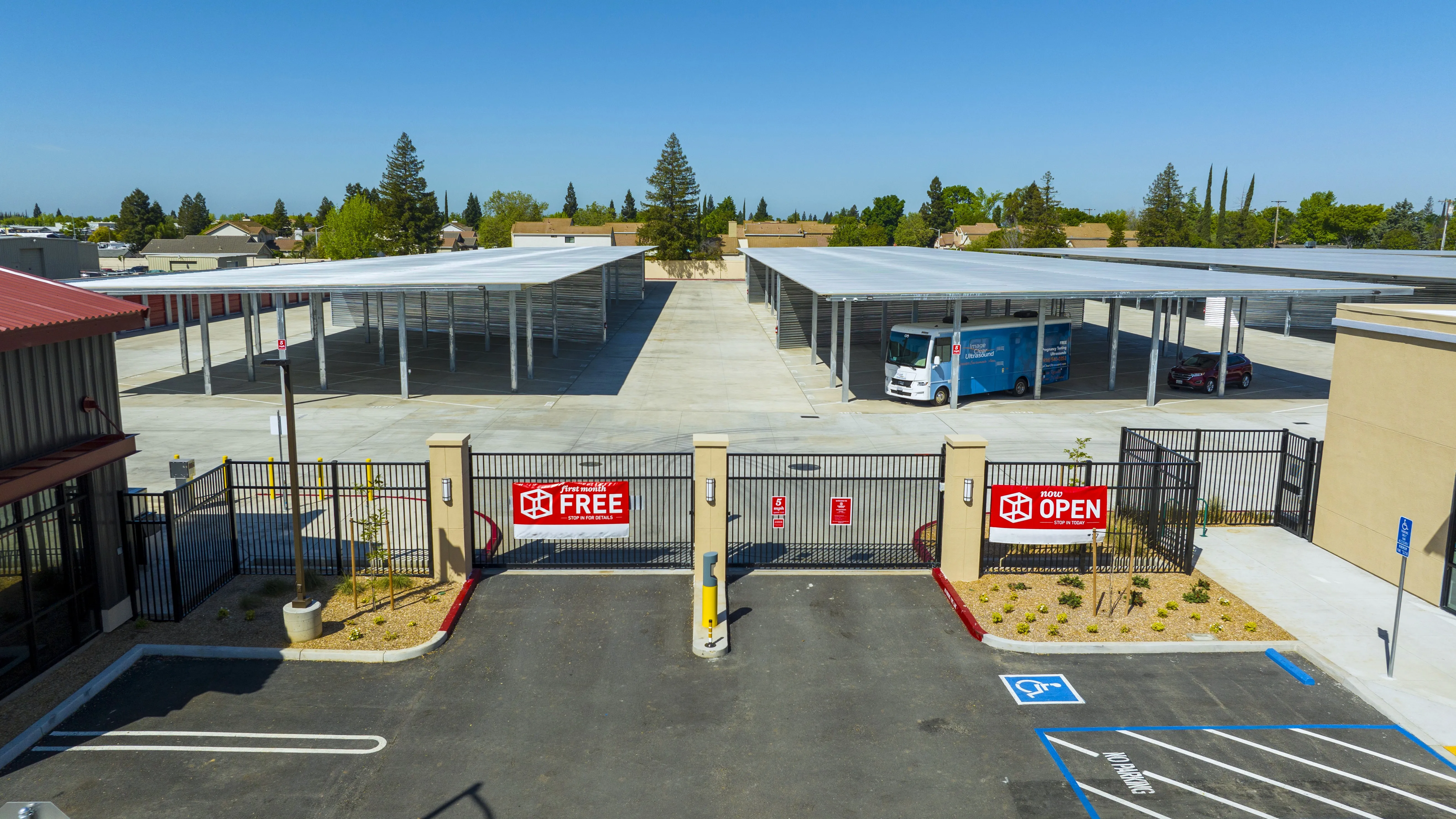
Covered Parking: Covered spaces offer roof structures that protect from direct sun, rain, and weather while maintaining airflow on the sides. This protection prevents UV damage to exteriors, reduces interior temperature extremes, and protects rubber seals and components from sun deterioration. For both RVs and boats, covered storage represents excellent value (providing significant protection at moderate cost).
Enclosed Storage: Fully enclosed units with walls and doors provide complete protection from weather and environmental exposure. These premium spaces work like private garages, offering maximum security and protection for high-value motorhomes or boats. Enclosed storage makes sense for luxury recreational vehicles, new equipment, or when you want to maintain pristine conditions.
Some facilities offer specialized amenities for RV and boat storage including dump stations for RVs, wash areas for cleaning equipment before storage, and electrical outlets for battery maintenance during storage periods.
RV Storage Requirements and Considerations
RV storage requirements depend on your vehicle's specific dimensions. Measure total length including hitches, ladders, and any accessories extending beyond the main body. Height matters significantly for covered or enclosed storage. Verify clearance before renting. Width typically is not an issue since most spaces accommodate standard RV widths, but measure if you have extended slide-outs.
Small travel trailers and pop-up campers (15-20 feet) usually fit in 10x20 to 10x25 spaces. Mid-size travel trailers and Class C motorhomes (20-30 feet) typically need 10x30 to 12x35 spaces. Large Class A motorhomes and fifth wheels (30+ feet) require 12x40 or larger spaces. Always confirm specific dimensions with storage facilities to ensure comfortable fit with clearance.
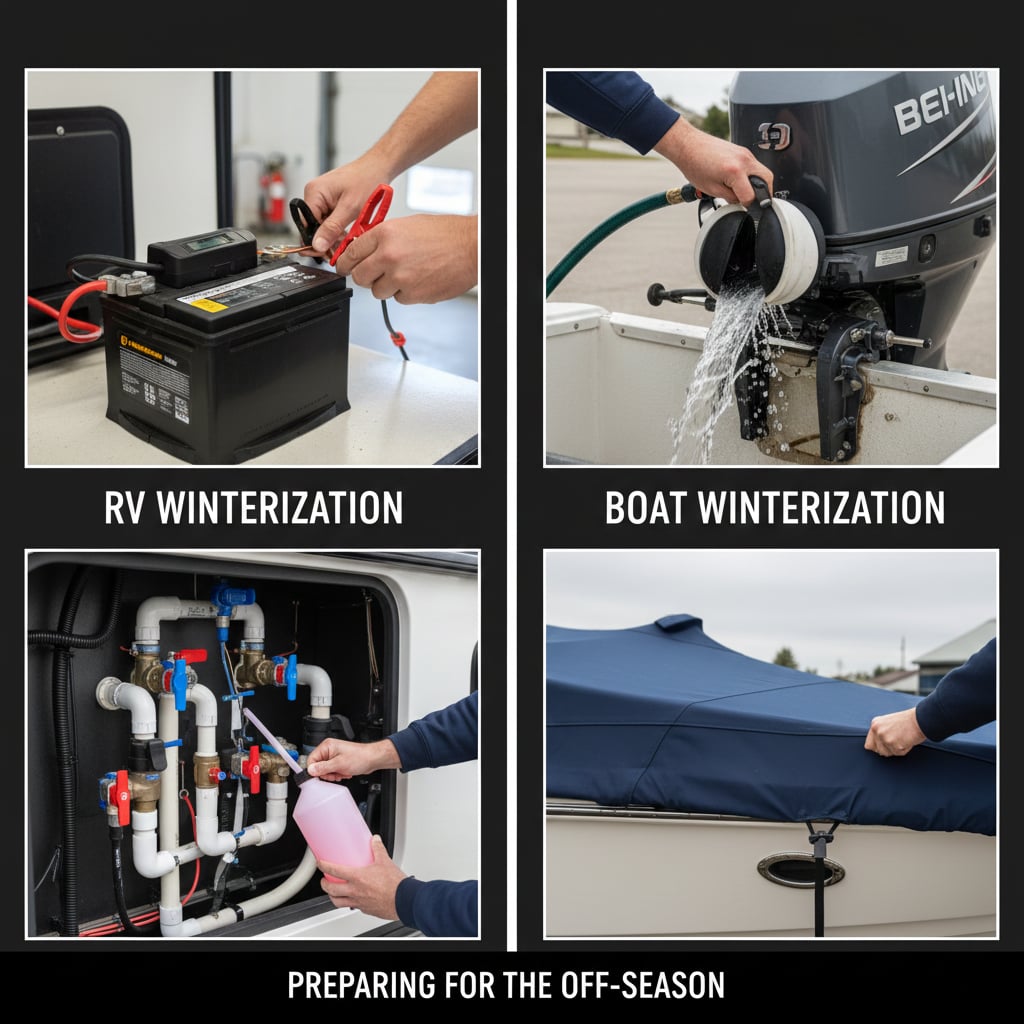
Preparing your RV for storage involves several important steps. Thoroughly clean interior and exterior, removing all food and perishables. Empty and flush all water tanks, adding RV antifreeze to prevent freeze damage. Fill fuel tanks and add stabilizer. Disconnect batteries or use battery tenders. Check tire pressure and inflate appropriately. Cover vents and openings to prevent pest entry. For outdoor storage, quality RV covers provide additional protection from sun and weather.
Boat Storage Requirements and Considerations
Boat storage requirements vary significantly based on vessel size and whether it is on a trailer. Measure your boat's total length including the trailer tongue. A 20-foot boat might need a 10x30 space accounting for the trailer extension. Height clearance matters for covered storage, especially for boats with tall towers or T-tops.
Small boats and jet skis (under 16 feet) fit in 10x20 spaces. Mid-size boats (16-22 feet) typically need 10x25 to 10x30 spaces. Larger boats (22+ feet) require 10x35 or larger spaces depending on trailer length. Sailboats with masts need special height considerations, and some facilities offer outdoor storage areas designed specifically for tall vessels.
Preparing boats for storage protects your investment during off-season months. Thoroughly clean the hull, deck, and interior. Flush the engine with fresh water, especially important for saltwater boats. Drain water systems completely or add antifreeze for winterization. Remove electronics, valuables, and items that could be damaged by temperature changes. Fill fuel tanks and add stabilizer. Disconnect batteries or use trickle chargers.
For outdoor and covered storage, invest in quality boat covers that fit properly and allow ventilation to prevent moisture buildup and mildew. Support covers with bows or frames to prevent water pooling. For enclosed storage, breathable covers protect from dust while allowing air circulation.
Seasonal Storage for RVs and Boats
Seasonal storage makes sense for recreational vehicles and watercraft. Many owners store during off-season months and retrieve equipment when weather and schedules align with recreational activities.
Winter storage runs roughly November through March for boats, as water temperatures drop and boating season slows. RV owners often store during winter months when camping becomes less appealing and rain makes travel challenging. Winter storage protects equipment from harsh weather and frees up home parking during months when recreational vehicles sit unused.
Summer storage occurs less frequently but works for equipment used primarily during cooler months or for owners who travel by other means during warm seasons. Year-round storage makes sense if you lack space at home, face HOA restrictions, or use recreational equipment only occasionally throughout the year.
When retrieving equipment from seasonal storage, inspect everything thoroughly before use. Check tire pressure, battery charge, and all systems. For winterized RVs and boats, complete de-winterization procedures and flush antifreeze from water systems. Test all equipment to ensure proper function before your first outing.
Combined Storage Benefits
Storing both RVs and boats at the same facility offers several advantages. Single location convenience means one access code, one payment, and one visit when preparing recreational equipment. Many facilities offer discounts when renting multiple spaces, saving money compared to separate storage locations.
Managing both recreational vehicles at one facility simplifies logistics significantly. You can visit both your RV and boat in a single trip, helpful when performing seasonal maintenance, preparing for trips, or checking on equipment during extended storage periods. Some customers with both RVs and boats specifically choose our facilities for this convenience factor.
Storage Costs for RVs and Boats
Understanding pricing helps you budget for recreational vehicle storage and choose options matching your needs and budget.
Uncovered RV parking typically ranges from $75-200 monthly depending on vehicle size. Covered RV spaces run $125-300 monthly. Enclosed RV storage ranges from $200-500+ per month for large motorhomes.
Uncovered boat parking generally costs $50-150 monthly based on boat size. Covered boat spaces run $100-250 monthly. Enclosed boat storage ranges from $150-400+ depending on vessel dimensions.
Combination pricing for both RV and boat storage can reach $150-500+ monthly total depending on sizes and storage types selected. Many facilities offer slight discounts for multiple spaces. Long-term rental agreements or annual prepayment sometimes reduce monthly costs.
Location affects pricing, with urban facilities typically costing more than rural options. Storage type creates the most significant price variation. Covered storage costs roughly 50-75% more than uncovered, while enclosed storage doubles or triples uncovered pricing.
Frequently Asked Questions
How much does RV and boat storage cost?
Combined RV and boat storage typically ranges from $150-500+ monthly depending on sizes and storage types. Uncovered parking for both might run $125-350 combined, while covered spaces total $225-550, and enclosed storage reaches $350-900+. Individual facility pricing varies. Contact our locations for current rates.
Can I store both my RV and boat at the same facility?
Yes, most storage facilities accommodate both RVs and boats, and many customers store both at the same location for convenience. Some facilities offer multi-space discounts. Storing both at one location simplifies access, payments, and equipment management.
Do I need registration for RV and boat storage?
Yes, you need valid registration for your RV and boat to be stored. Alternatively, a Planned Nonoperational period can be registered with the DMV to satisfy this requirement.
Do I need to winterize?
Yes, winterization is recommended in most climates. Overnight freezes can damage water systems in both RVs and boats. Winterization procedures prevent costly freeze damage and protect your equipment investment. The process may be simpler in mild climates than in extreme cold regions but remains important.
What size space do I need?
Space requirements depend on your specific RV and boat dimensions. Measure total length including trailers, hitches, and any extensions. For RVs, spaces range from 10x20 for small trailers to 12x45+ for large motorhomes. Boats typically need 10x20 to 10x35+ depending on vessel and trailer length. Our team helps determine exact size requirements.