What Is Self-Storage? Complete Guide to Storage Units & Rental Options
Choosing your first storage unit brings up important questions. How much space do you actually need? Which features matter most for what you're storing? With over 20 storage facilities, our team has helped thousands of customers find the perfect storage solution. This guide walks you through everything you need to know about self-storage so you can make an informed decision with confidence.
What Is Self-Storage and How Do Storage Units Work?
Self-storage puts you in complete control of your belongings. You rent a secure space at a storage facility, pack and organize it however you want, and keep the only key. The "self" part means you handle everything, from loading your items to accessing them whenever you need during facility hours. It's like having an extra room or garage that's not attached to your home, giving you flexibility to store what you need for as long as you need it.
Most storage facilities operate on month-to-month lease agreements, so there's no long-term commitment. Whether you need storage for a few weeks during a move or several years while living abroad, you're in control of the timeline. You can rent a storage unit, use it as long as necessary, and move out whenever you're ready.
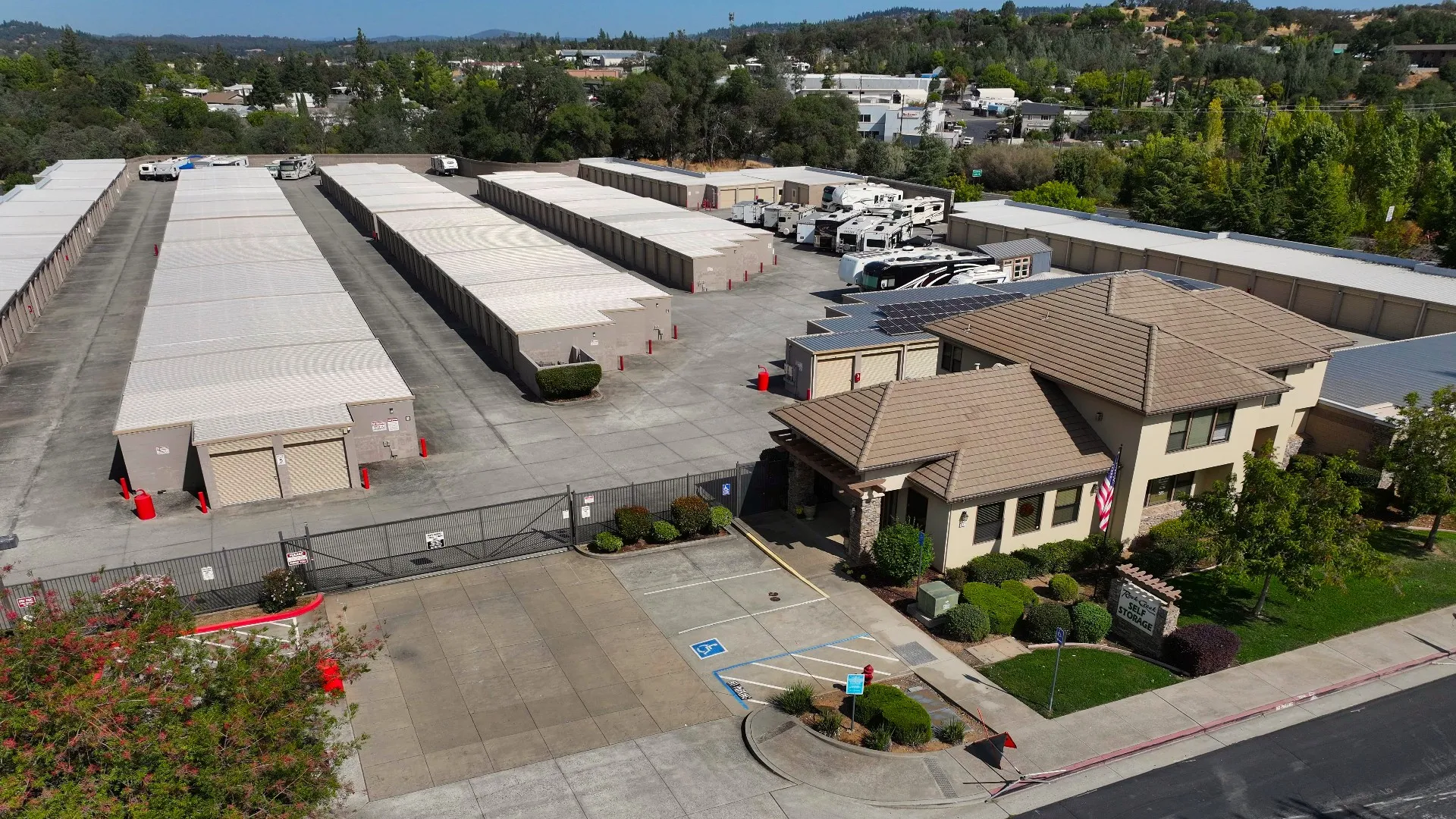
How Does Self-Storage Work? The Rental Process
Getting started with storage unit rental is simpler than most people expect. Start by estimating how much space you need. Our team can help you figure this out based on what you're storing. Select any special features like climate control or ground-level access depending on your items. Sign a flexible month-to-month rental agreement, and you'll get your access code or key right away.
Many first-time renters worry about the commitment, but storage rentals work differently than apartment leases. You can typically reserve your unit online, move your belongings in at your own pace using a moving truck or your personal vehicle, add your own lock to the unit, and you're all set. Access your storage during facility hours whenever you need something. Some locations even offer 24-hour access.
What Types of Storage Units Are Available?
Climate-Controlled Storage Units: Keep your belongings in a stable environment year-round. These units regulate both temperature and humidity, making them ideal for furniture storage, electronics, important documents, musical instruments, or family heirlooms. Climate control protects items that could be damaged by heat, cold, or moisture, which is essential for long-term storage.
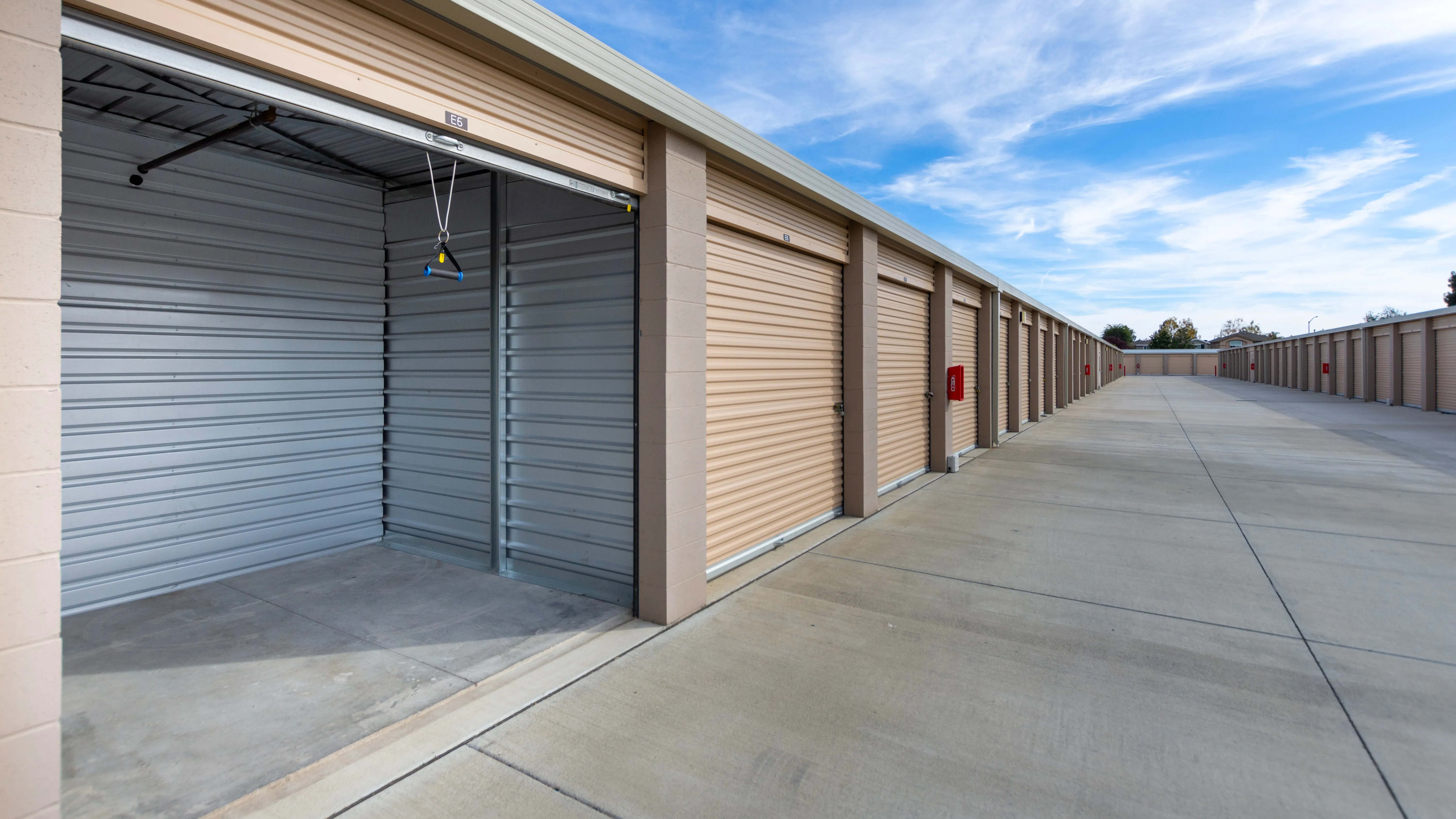
Drive-Up Storage Units: Pull your car or moving truck right up to your storage door. These ground-level, exterior-access units make loading and unloading incredibly convenient, especially if you're storing heavy furniture, appliances, or need to grab items frequently. Perfect for business inventory that requires regular access.
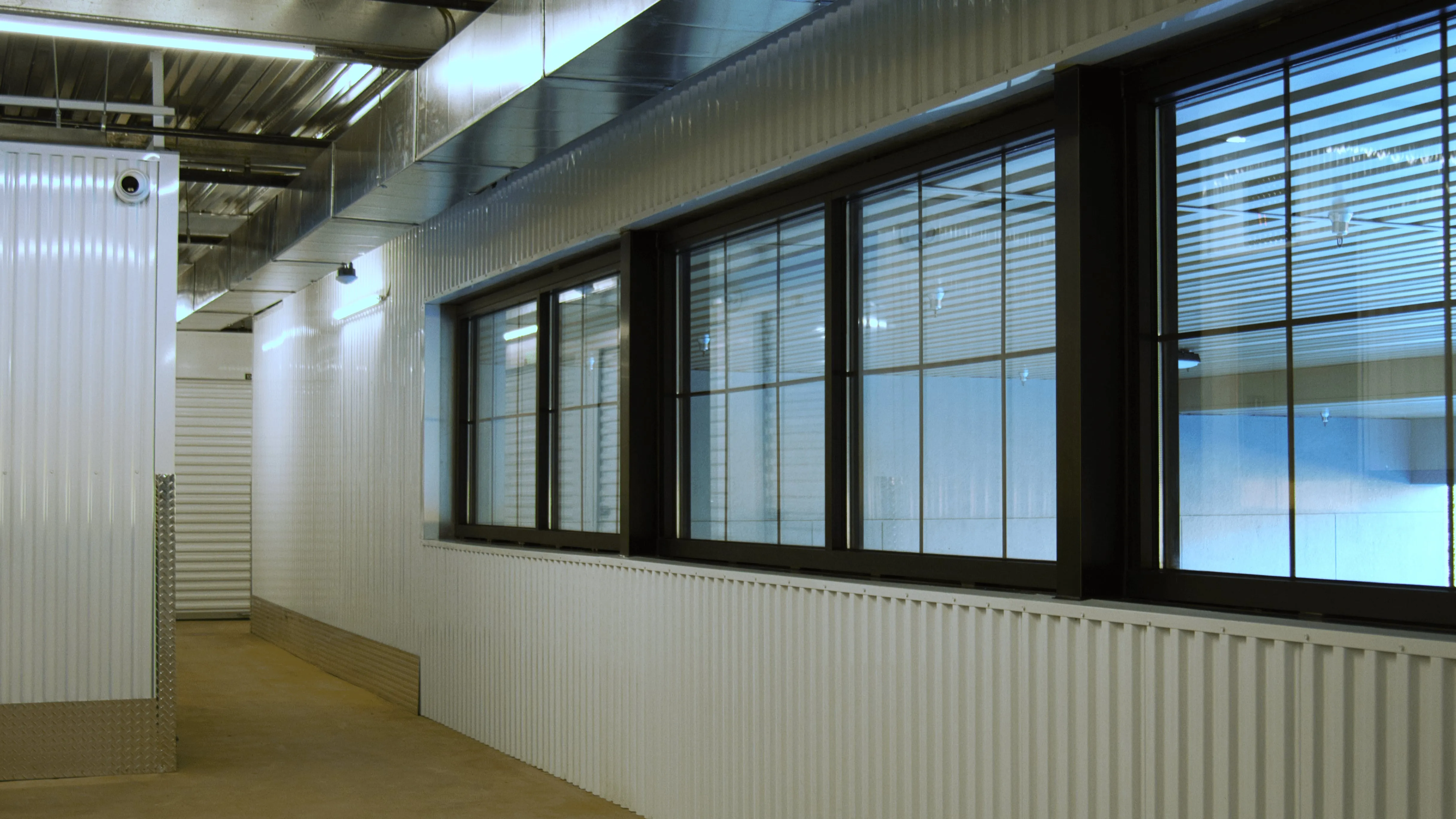
Indoor Storage Units: Access your unit through climate-controlled hallways inside a secure building. These offer an extra layer of protection from weather and often include temperature control as a standard feature. Ideal for decluttering your home while keeping valuables secure.
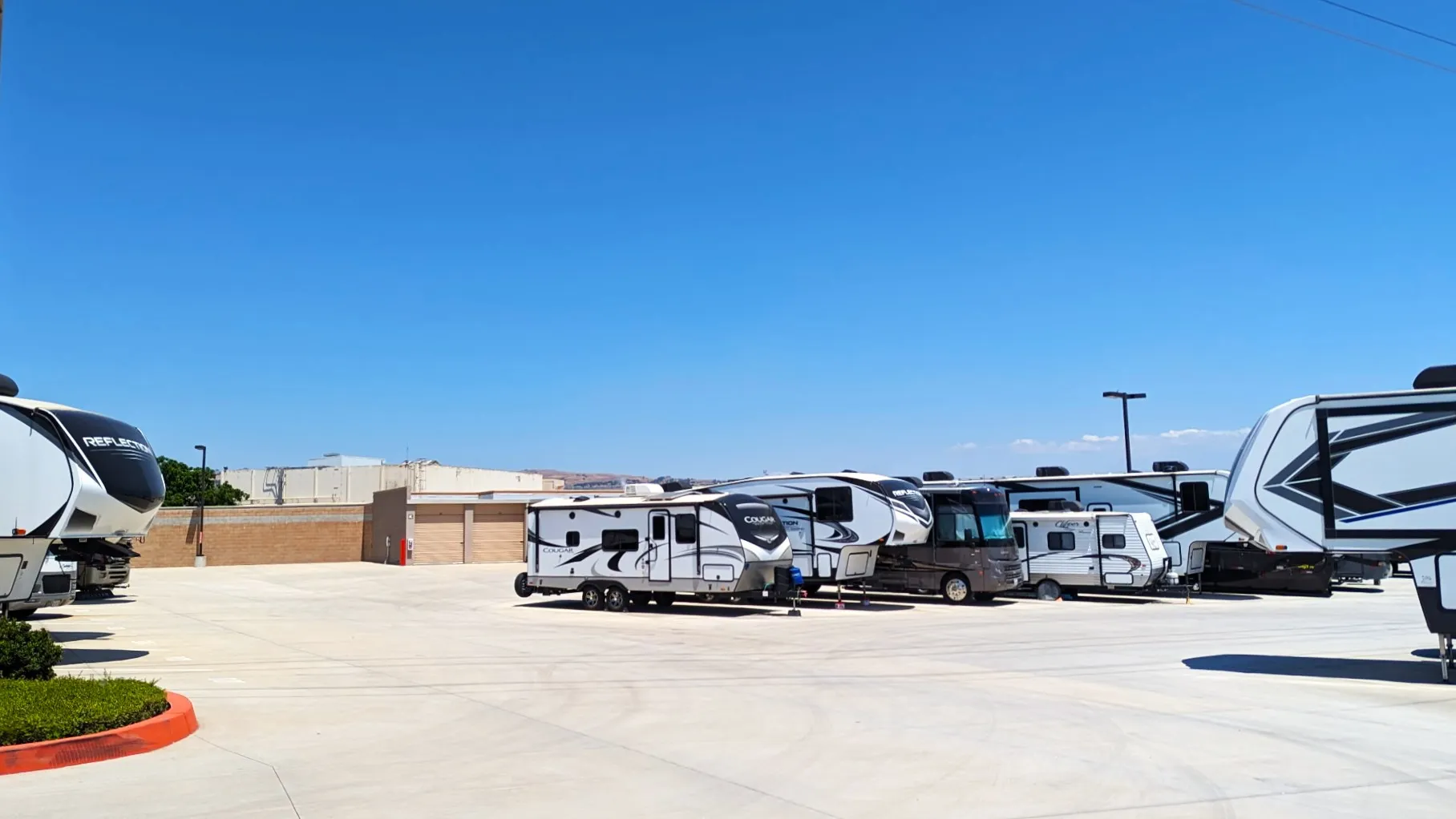
Vehicle Storage Units: From covered parking spots to fully enclosed garage-style units, vehicle storage keeps your car, RV, boat, or motorcycle safe when you're not using it. These specialized spaces accommodate everything from classic cars to recreational vehicles.
What Size Storage Unit Do I Need?
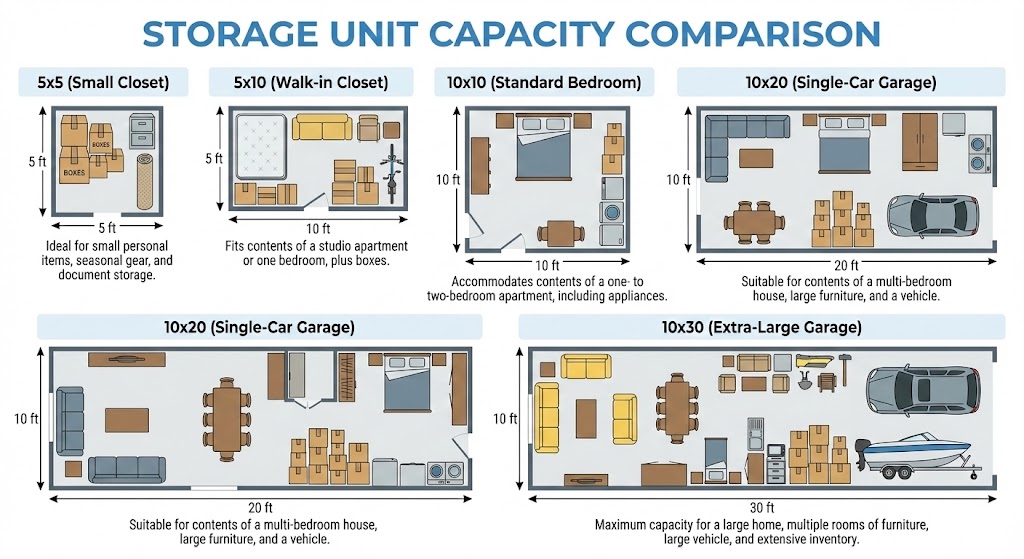
Storage units come in various sizes to match different needs. Think of a 5x5 unit (25 square feet) as a walk-in closet. It's perfect for seasonal decorations, business files, or boxes during downsizing. A 5x10 unit (50 square feet) gives you about the space of a large walk-in closet and fits studio apartment furniture or a motorcycle.
Jump to a 10x10 (100 square feet), and you have a small bedroom's worth of space for one-bedroom apartment contents. A 10x15 (150 square feet) handles two-bedroom apartments or includes room for a vehicle. The 10x20 (200 square feet) accommodates three-bedroom homes, while a 10x30 (300 square feet) can hold four-bedroom house contents or multiple vehicles.
Still not sure what size you need? Our storage facility teams will talk through what you're storing and recommend the size that fits without paying for empty space.
What Can You Store in a Storage Unit?
Your storage unit can hold most household goods and business items. Furniture storage, seasonal decorations, clothing, sporting equipment, tools, electronics, appliances, important documents, and business inventory all work perfectly. Vehicles, boats, and RVs fit in specialized units designed for them. Many small businesses use storage as a cost-effective alternative to expensive warehouse space for inventory management and document archiving.
Every storage facility has guidelines about what can't be stored for safety and legal reasons. Perishable food spoils and attracts pests. Hazardous materials, flammable liquids, and combustible items create safety risks. Plants and animals need care that storage units can't provide. Illegal items are never allowed, and anything with strong odors can affect nearby units. When in doubt, ask our team about specific items you're unsure about.
Common Reasons for Renting Storage Units
People turn to storage for all kinds of reasons. Moving between homes creates a gap where you need somewhere for your belongings temporarily. Storage bridges that transition perfectly. Downsizing to a smaller place doesn't mean giving up everything. Home organization and decluttering projects become manageable when you can move seasonal gear, holiday decorations, or rarely-used items offsite.
Life changes like military deployment, extended travel, or temporary job assignments need a secure home for your possessions while you're away. Small businesses save significantly on overhead by using storage for inventory, equipment, archived documents, or seasonal merchandise instead of expensive commercial space. Home renovation and remodeling projects go smoother when your furniture is protected elsewhere rather than covered in construction dust.
How We Keep Your Items Safe
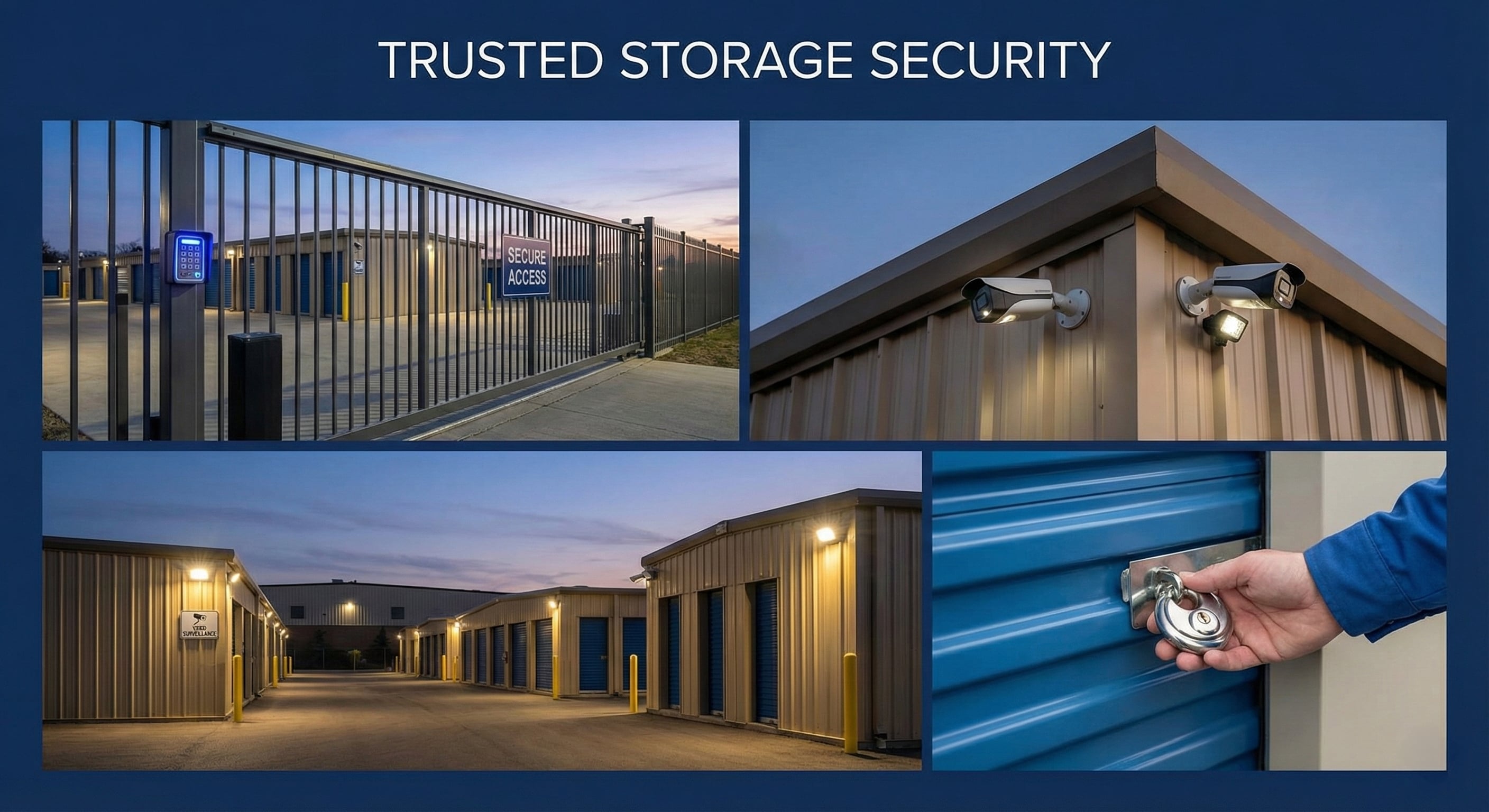
Security matters when you're trusting a facility with your belongings. At our storage locations, security includes multiple layers of protection. Gated entry with personalized access codes means only authorized people get onto the property, and the system logs every entry. Cameras monitor the facility around the clock, recording all activity.
You supply your own lock for your unit. No one else has a key, not even facility staff. Well-lit properties, on-site management during business hours, and perimeter fencing create multiple layers of protection for peace of mind. Many customers tell us that security features are what helped them choose us for their storage needs.
Making Storage Work for You: Packing and Organization Tips
Success with storage starts with good organization. Keep a written list or photos of what you've stored. It helps you remember what's there and supports insurance claims if needed. Invest in sturdy boxes and proper packing materials rather than old grocery boxes that collapse. Mark boxes on at least two sides so you can identify contents no matter how they're stacked.
Pack strategically by placing heavier boxes on the bottom and lighter items on top. Keep things you might need near the unit entrance instead of buried in back. Leave a narrow walkway down the middle so you can reach items without unstacking everything. Use furniture covers to protect from dust, and elevate items slightly off the floor with pallets for added protection. Stop by every few months for long-term storage to make sure everything stays in good condition.
Frequently Asked Questions
How much does self-storage cost?
Storage unit prices vary based on size, location, and features. Smaller units typically start around $50-$75 per month, while larger units range from $150-$300+ monthly. Climate-controlled units cost slightly more than standard units. We offer competitive pricing and often have move-in specials for new customers. Contact us for current rates and availability.
Do I need insurance for my storage unit?
Yes, we require proof of insurance for stored items. Your homeowner's or renter's insurance policy may already cover belongings in storage. Check with your provider. If not, we offer affordable tenant insurance specifically for storage units through our partner SafeLease. This protects your belongings from unexpected events and provides peace of mind.
How long can you rent a storage unit?
As long as you need! Our month-to-month lease agreements mean you can rent for just one month or for years. There's no maximum rental period, and you can move out anytime with proper notice. This flexibility is perfect whether you need short-term storage during a move or long-term solutions for business inventory.
Can I access my storage unit anytime?
Access hours vary by location. Many of our facilities offer extended access hours from 6am-9pm daily, and some locations provide 24-hour access. You can visit your unit as often as you need during access hours at no additional charge. Check with your specific facility for exact hours.