Indoor Storage Units: Complete Guide to Interior Building Storage
Choosing between indoor and outdoor storage units affects how well your belongings stay protected. What advantages do indoor units offer beyond just being inside a building? With over 20 storage facilities, our team has guided thousands of customers through selecting the storage environment that best matches their needs and budget. This guide covers everything about indoor storage so you can decide if it's the right choice for your situation.
What Is Indoor Storage?
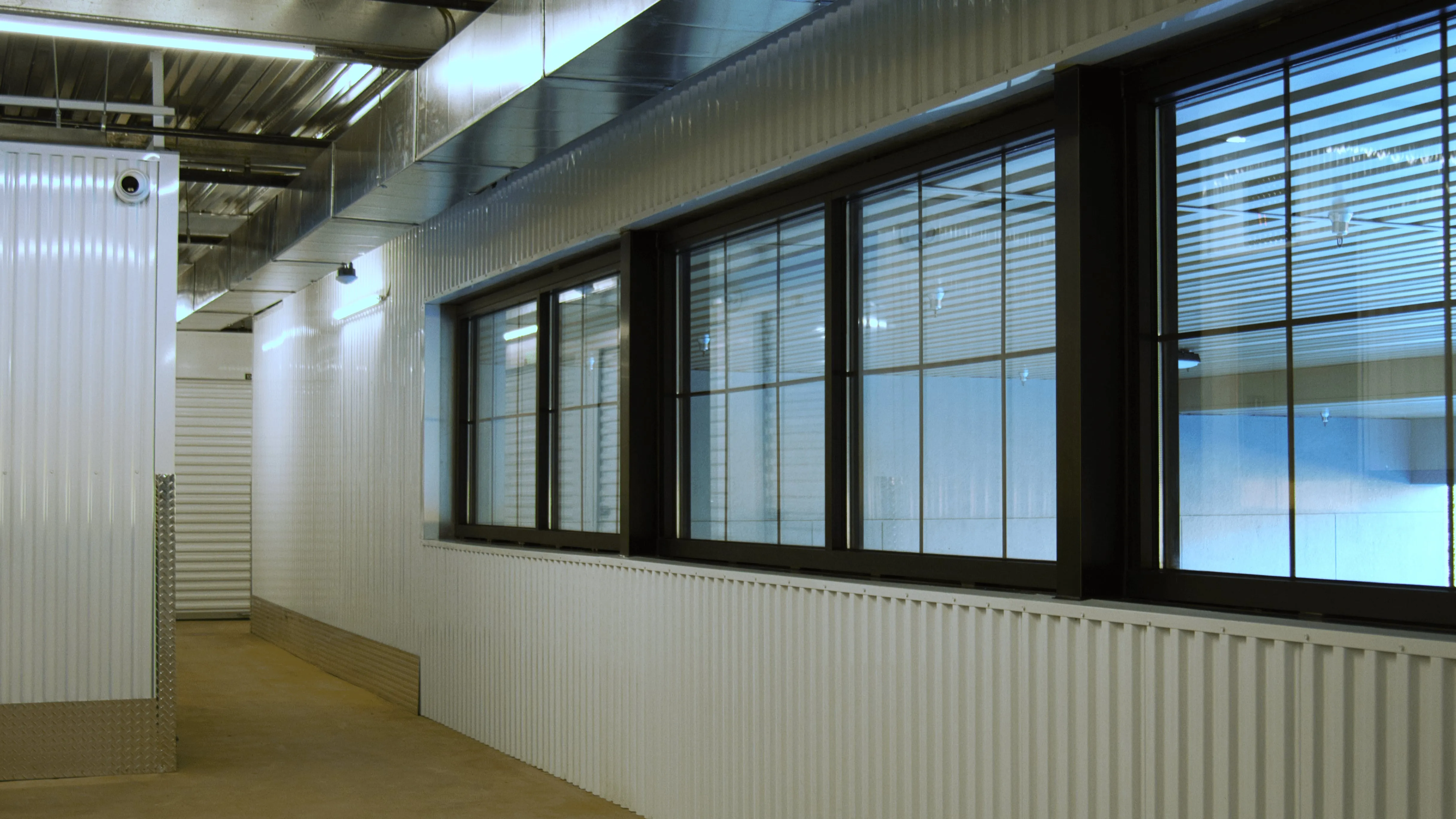
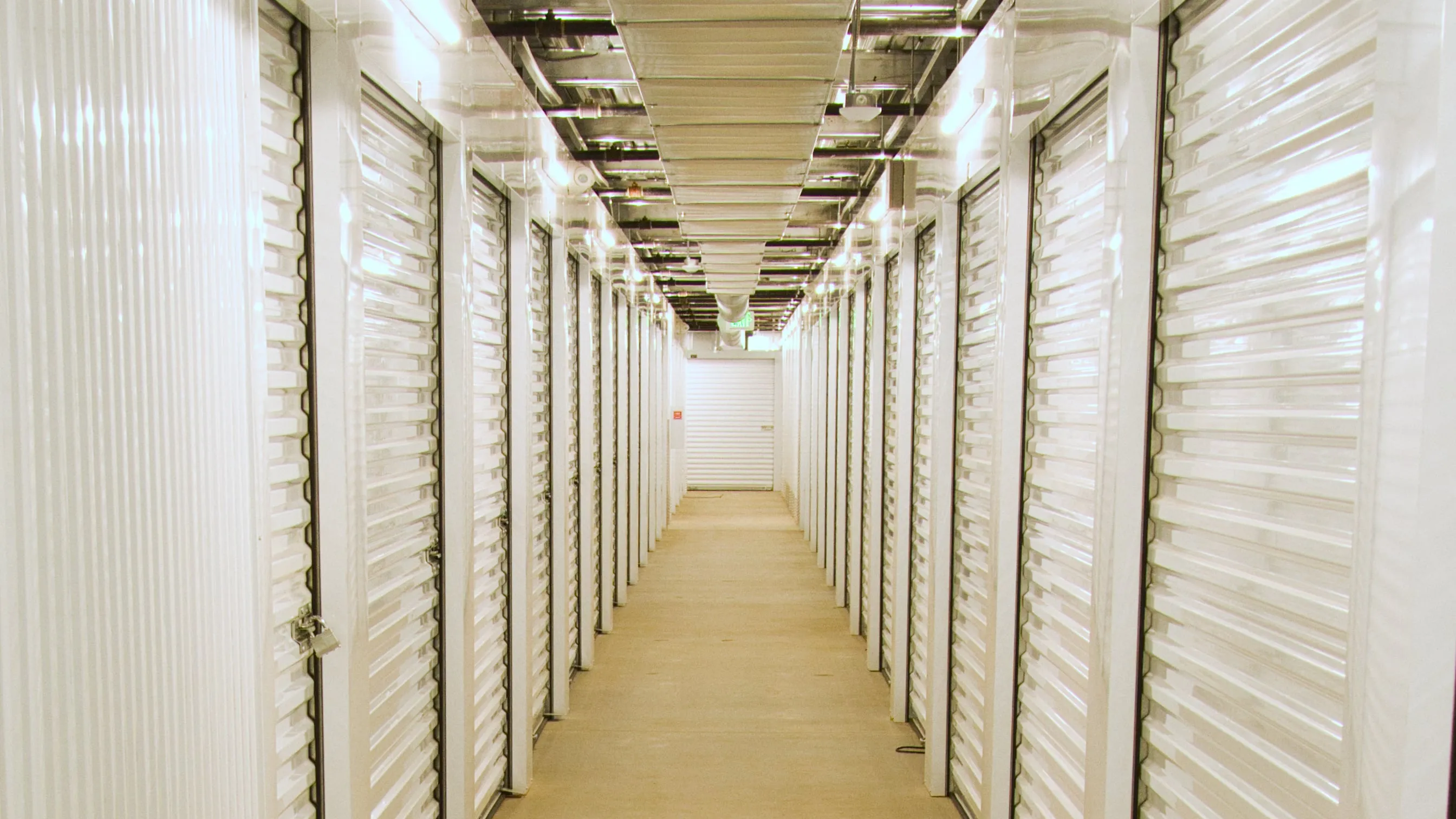
Indoor storage units are located inside a fully enclosed building with interior hallways, similar to an apartment complex layout. You enter the building through a main entrance, walk through climate-controlled corridors, and access your individual unit with your personal lock. The entire storage experience happens within the protected interior of the structure.
These units benefit from the building's insulation, roof, and walls, providing multiple layers of protection from weather, temperature fluctuations, and outdoor elements. Many indoor storage facilities also include climate control throughout the building, though not all indoor units are climate controlled. It's important to ask about this feature specifically when renting.
How Does Indoor Storage Work?
When you rent an indoor storage unit, you receive access credentials to enter the building, typically a gate code for the property and either a key, code, or electronic access for the building entrance. Once inside, you navigate interior hallways to reach your specific unit. The hallways are usually well-lit, wide enough for carts and dollies, and maintained at comfortable temperatures.
You'll use elevators or ramps if your unit is on an upper floor, and many facilities provide courtesy carts to help transport items from your vehicle to your unit. The process requires a bit more navigation than drive-up units, but the trade-off is enhanced protection and often climate control. Access works during facility hours, and some locations offer extended or 24-hour access depending on their security setup.
Benefits of Indoor Storage Units
Enhanced Weather Protection: Indoor units never face direct weather exposure. Rain, snow, wind, and direct sunlight never touch your belongings. The building's structure provides multiple barriers (exterior walls, interior walls, and often insulation) between your items and outdoor conditions. This layered protection matters especially for long-term storage or valuable items.
Consistent Environment: Most indoor storage facilities maintain the interior building at moderate temperatures, even if individual units aren't climate controlled. The building envelope moderates temperature swings, so indoor units experience less dramatic temperature changes than exterior units. Many indoor facilities do offer climate control as a standard feature, providing ideal conditions for sensitive items.
Improved Cleanliness: Interior hallways and enclosed spaces mean significantly less dust, dirt, and debris than outdoor storage areas. Your items stay cleaner, and the overall storage environment feels more polished and maintained. This cleanliness particularly benefits items you're storing for extended periods.
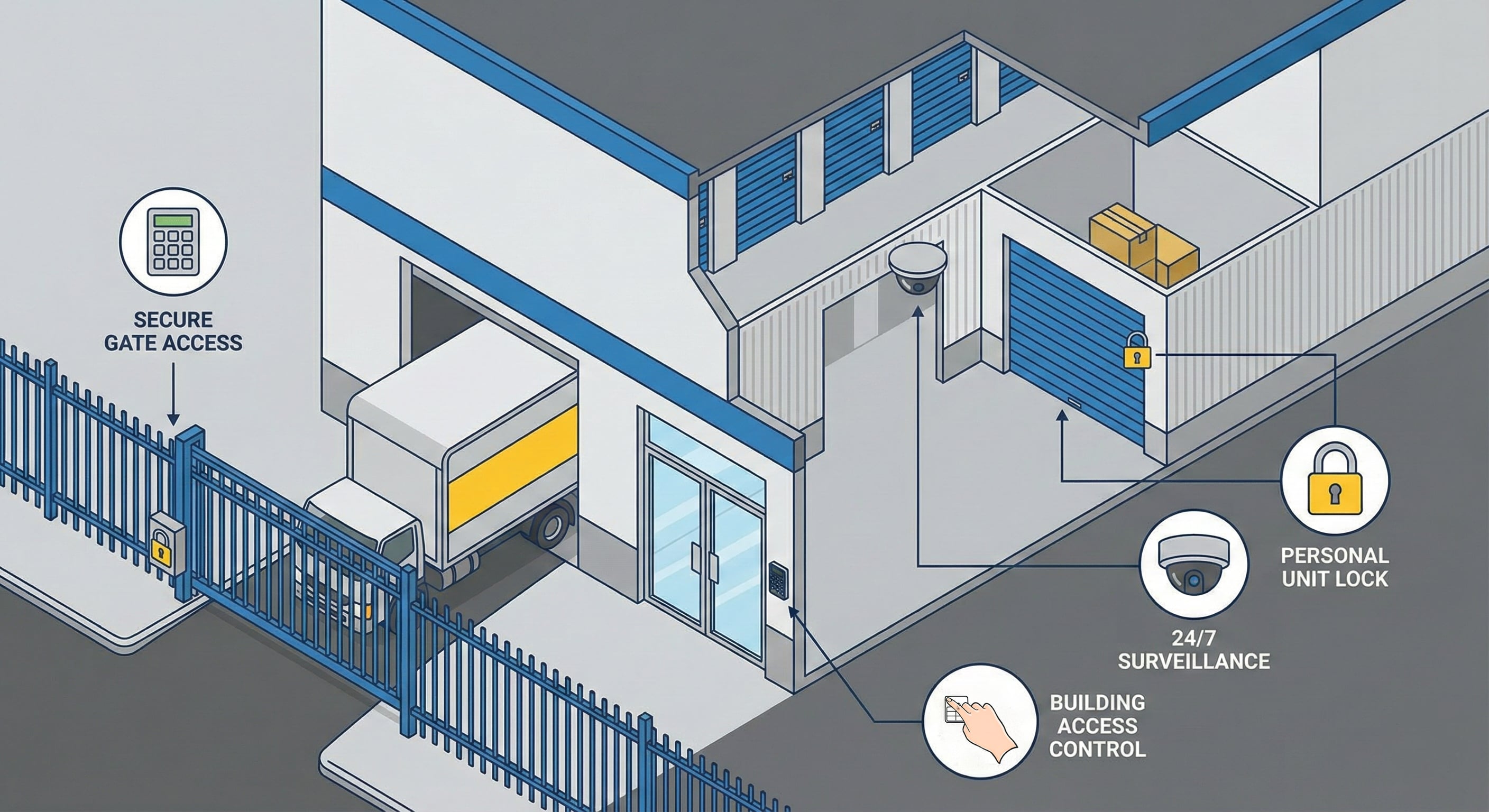
Added Security Layers: Indoor storage requires passing through multiple access points: the property gate, the building entrance, and then your individual unit. These security layers deter unauthorized access more effectively than a single lock on an exterior unit. The interior location also means your unit isn't visible from outside the property.
Indoor Storage vs Outdoor Storage: Key Differences
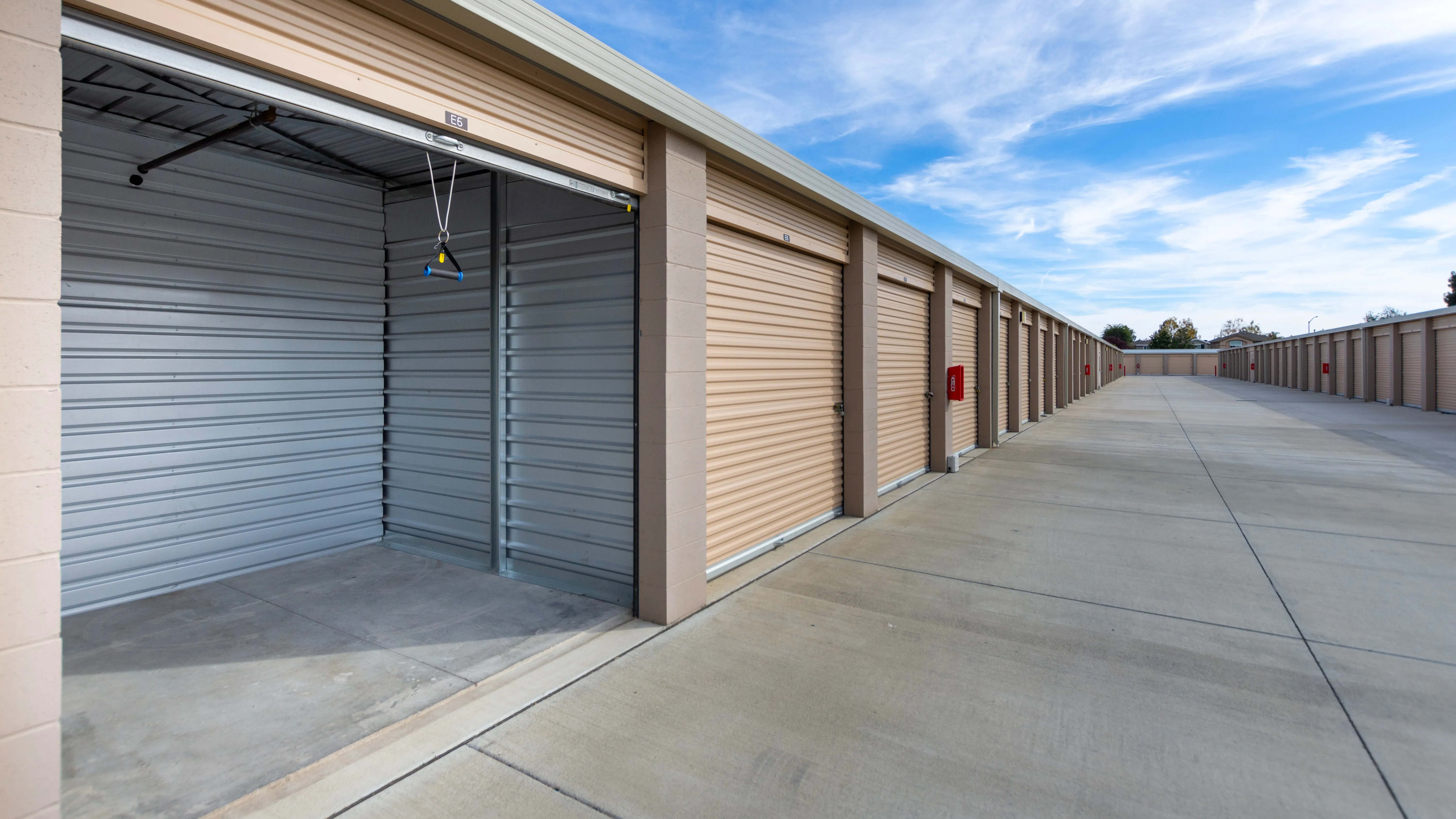
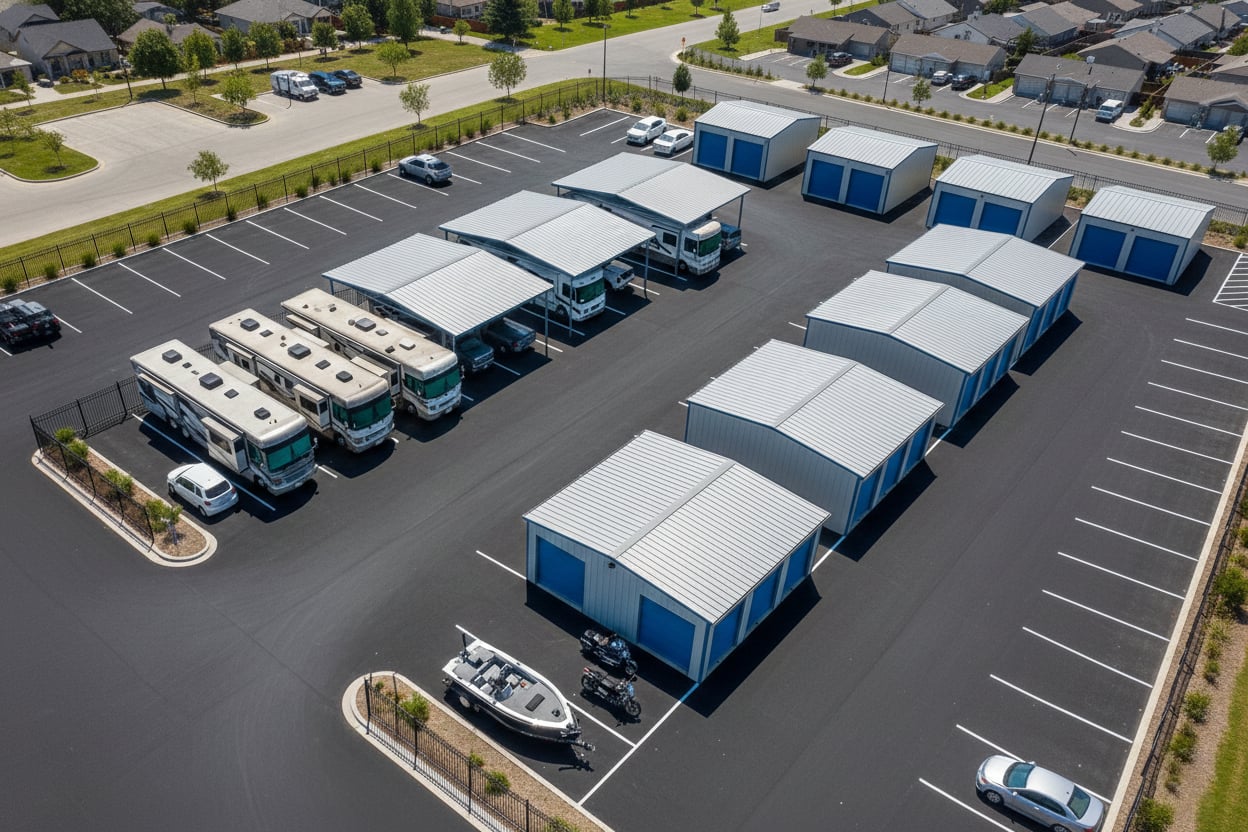
The fundamental difference is environmental protection. Indoor units sit inside an enclosed, insulated building with climate-controlled hallways. Outdoor or drive-up units have exterior doors that face weather directly. Indoor storage prioritizes protection, cleanliness, and stable conditions. Outdoor storage emphasizes convenience and easy vehicle access.
Loading logistics differ significantly. Indoor storage requires carrying items from your vehicle through the building to your unit, using carts, dollies, or elevators if needed. Outdoor drive-up units let you pull your vehicle directly to the door for easy loading. If you have extremely heavy items, frequent access needs, or large furniture, drive-up convenience might outweigh indoor protection benefits.
Cost differences exist but aren't dramatic. Indoor and outdoor units of the same size typically price similarly unless the indoor unit includes climate control. Customers choosing indoor storage usually value the protection and environment more than the slightly reduced loading convenience.
What Should You Store in Indoor Units?
Indoor storage works excellently for items deserving extra protection. Furniture, especially wooden pieces, upholstered items, and antiques, benefits from the stable environment and weather protection. Clothing, linens, and fabric items stay fresher and cleaner in the enclosed space. Electronics, appliances, and sensitive equipment appreciate the temperature moderation and dust reduction.
Business documents, inventory, and supplies often go in indoor units for the added security and cleaner environment. Businesses use our indoor storage for archived records, seasonal inventory, and equipment that needs protection from temperature extremes. The professional interior environment also makes accessing business items more pleasant when you need to spend time organizing or retrieving inventory.
Collections, artwork, and valuables deserve the enhanced security and environmental control that indoor storage provides. Family heirlooms, photo collections, and sentimental items get better protection from the multiple security layers and stable conditions. If you're storing items you'd never leave in an unheated garage or outdoor shed, indoor storage makes sense.
Choosing the Right Indoor Storage Size
Indoor storage units range from small 5x5 lockers perfect for seasonal items, important documents, or small business archives, up to large 10x20 or 10x30 units that accommodate multi-bedroom home contents. The same size guidelines apply as with other storage types. A 5x10 holds studio apartment furniture, a 10x10 works for one-bedroom contents, and larger units scale up accordingly.
Consider how you'll access items when choosing size. Since you're navigating hallways rather than driving up to the door, having a unit large enough to organize items with a center walkway improves the access experience. Many customers find that slightly larger indoor units make repeated access more convenient, offsetting the walking distance from vehicle to unit.
Our team at our storage facilities helps you estimate size needs based on your inventory. We consider not just volume but also how often you'll access items and whether you need workspace inside the unit for organization.
Indoor Storage Security Features
Security represents a major advantage of indoor storage. Multiple access points mean anyone reaching your unit has passed through several checkpoints: the gated property entrance, the building entrance, and then the hallway leading to your specific unit. Video surveillance typically covers all common areas, recording everyone who enters the building.
The interior location means your unit isn't visible from outside the property, reducing the risk of targeting by opportunistic thieves. Building access logs track entry and exit times, creating a security record. On-site management during business hours provides another security layer, as staff can monitor who's entering and using the facility.
You still provide your own lock for your individual unit, maintaining complete control over who accesses your belongings. The combination of facility security measures and your personal lock creates comprehensive protection that gives customers peace of mind about their stored items.
Frequently Asked Questions
Is indoor storage more expensive than outdoor storage?
Indoor and outdoor units typically cost similarly for the same size, with price differences depending more on whether climate control is included. Some facilities charge a small premium for indoor units due to the enhanced features, but the difference is usually modest, around 10-20%. Check with our locations for specific pricing.
Do all indoor storage units have climate control?
Not necessarily. Many indoor storage facilities offer climate control, but it's not guaranteed just because units are indoors. Always ask specifically about climate control when renting. The building environment does moderate temperatures somewhat even without active climate control, but sensitive items may need the full climate-controlled option.
Can I access indoor storage units at night?
Access hours vary by facility. Some indoor storage locations offer 24-hour access, while others have specific hours, commonly 6am-9pm or similar ranges. The controlled access nature of indoor storage sometimes means more restricted hours than outdoor facilities, though this varies. Check with your specific location about access hours.
How do I move large items into indoor storage?
Most indoor storage facilities provide courtesy carts and dollies to help transport items from your vehicle. Elevators or ramps serve upper floors. Plan for a bit more effort than drive-up units but remember that millions of people successfully store full households in indoor units. The facilities are designed with large item transport in mind.